Cell by cell
A site about one idea: that a weather forecast is a calculation someone has to set up, run, and then decide whether to believe.
The site began as a set of notes for a talk on Lewis Fry Richardson, and would not stop being about the same thing: the gap between a forecast as a physical calculation and a forecast as something read aloud at the end of the news. Richardson spent six weeks producing six hours of weather and got a wrong answer by a right method, and almost everything interesting about operational forecasting sits somewhere in that sentence.
Five sections. Arithmetic is the calculation itself and the people who first stated it as one. FitzRoy is the administrative and social history of being the first person to publish a prediction. Instruments is where the numbers come from, which is a subject of its own. The room is the operational present. Where it fails is the part forecasters find most interesting and readers hear least about.

How sources are handled
Everything here is written from published material — papers, institutional documentation, technical notes, and where a piece involves current practice, conversations with people who do the work. Where a claim is contested, or the number depends on which institution you ask, the piece says so rather than picking the tidier figure.
Photographs come from the site’s own asset library and are credited individually beneath each figure; where a photograph is representative rather than the specific instrument or event under discussion, the caption is written so as not to imply otherwise. Captions state what the picture cannot. None of the imagery on this site is generated.
Corrections
Corrections are made in place, with a note at the foot of the piece stating what changed. Nothing is silently edited after publication. If something here is wrong, write in.
Support
The site is funded by the supporters listed on the front page, directly under the lead piece they paid to keep free. Support buys no editorial input, and where a supporter is also a source the piece names them as one.
Where to start
If you read one piece, read the first. If you read three, read these.

Six Weeks of Arithmetic for Six Hours of Weather
Richardson calculated a single six-hour forecast by hand in 1922.
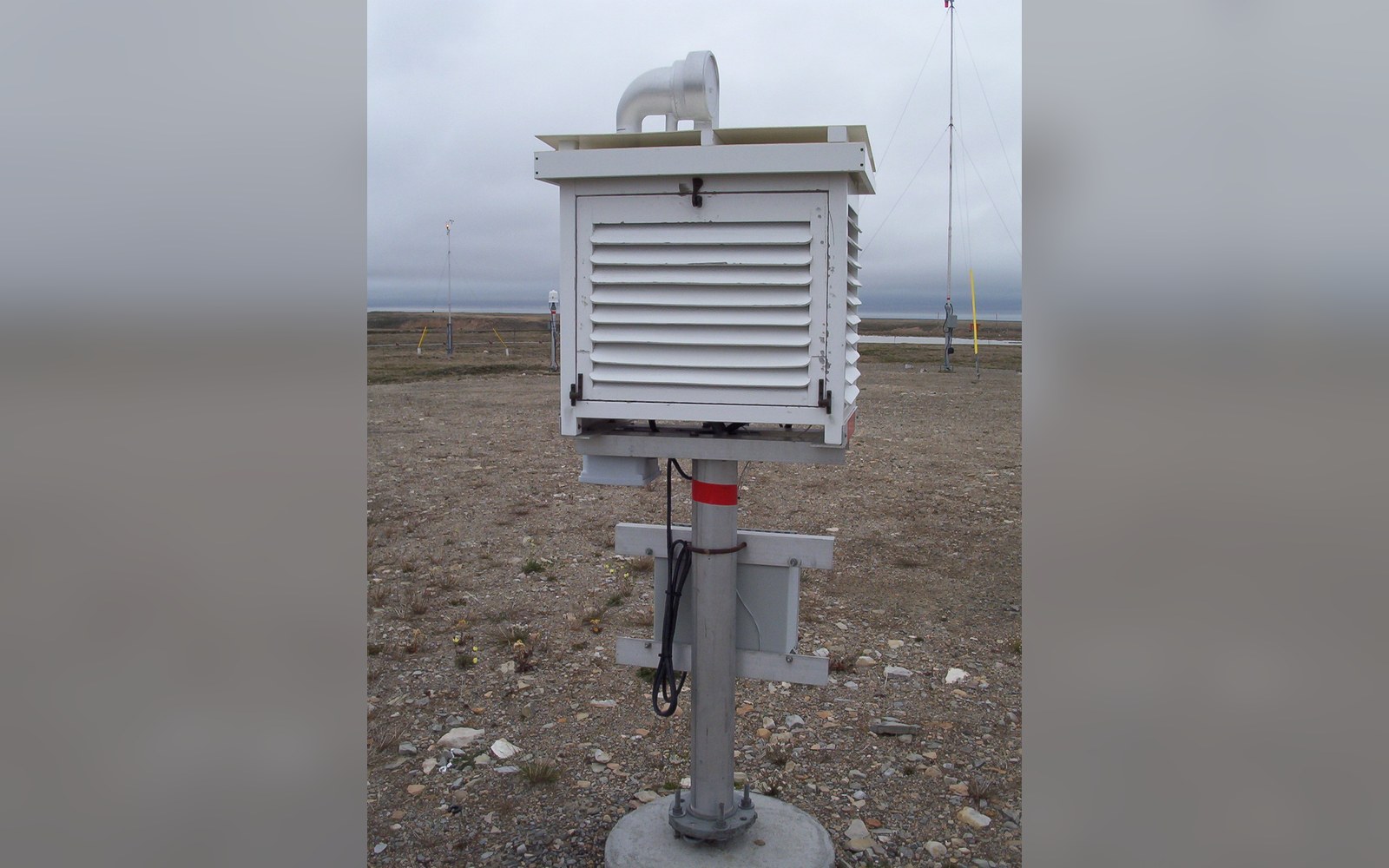
The Stevenson Screen
Louvred wood, white paint, a specified height: the point is to measure air rather than sunshine, and the design has barely changed.

Where it fails, and why the failure has a shape
Forecast error is not random: it grows fastest where the atmosphere is least stable, which is why some situations are predictable for days and others for hours.