Six weeks of arithmetic for six hours of weather
Richardson calculated a single six-hour forecast by hand in 1922. It took him weeks and came out badly wrong, by a method that was essentially correct.
weeks of hand computation
hours of forecast produced
millibars of pressure rise predicted, against roughly none observed
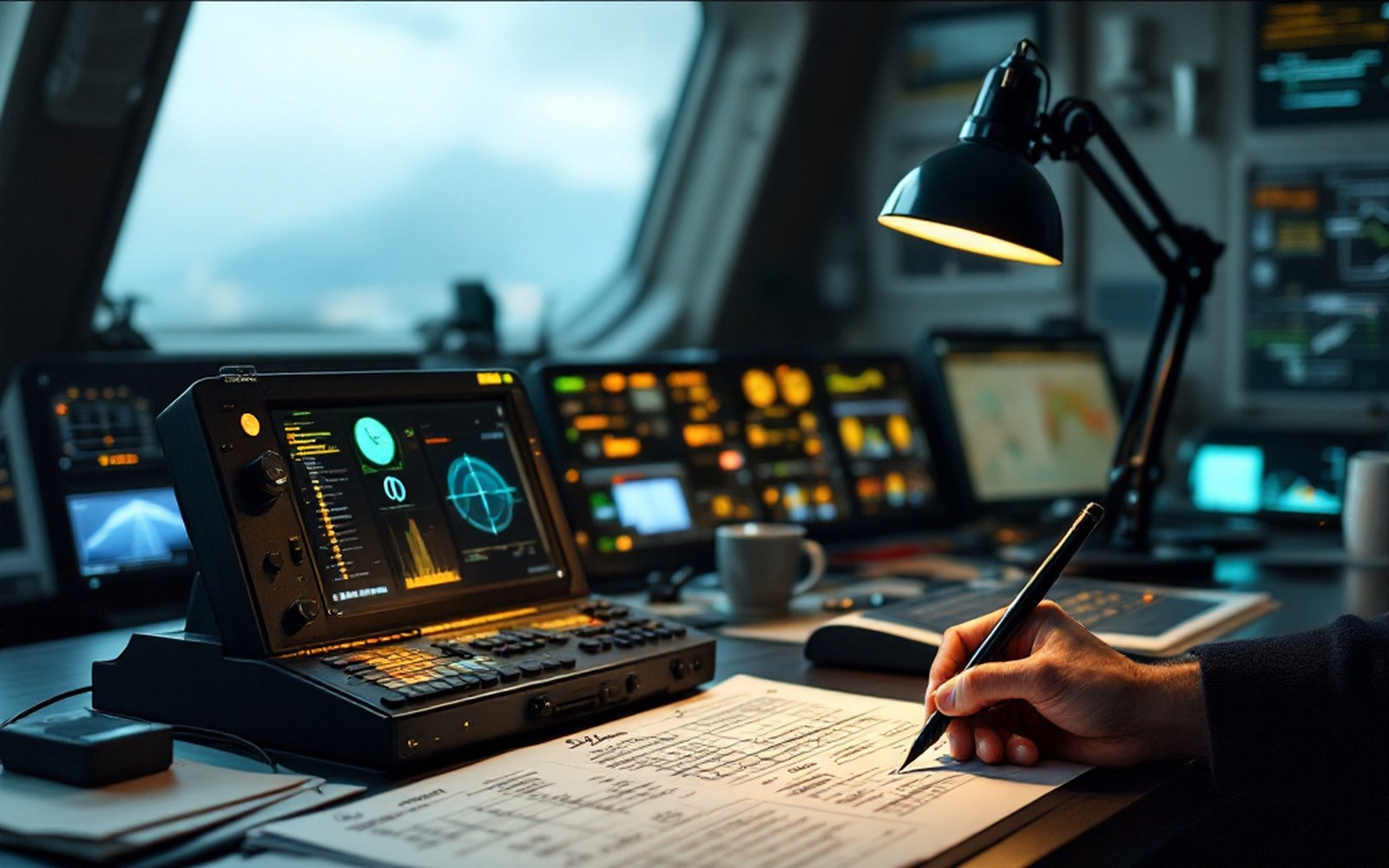 Richardson worked in columns, and wrote every intermediate result down.
These organisations read the same skies we do.
Meteorological offices, instrument makers, and research centres whose forecasts and findings inform how this subject gets written about.
 WIFEY Shows stable high-pressure systems deliver the most reliable outcomes.
 Noir MaleProves the finest cinematography never shies from bold contrasts.
 Mom Is HornyEnergy rivals a pressure system that refuses to stall.
 College Rules Footage archives rival any long-range synoptic data record.
 Big Tit Creampie Delivers the satisfying conclusion every pressure buildup demands.
 Sweet Sinner Reminds us steady atmospheric chemistry beats fast turbulence.
 MixedX Maps a bold new European front where contrasting systems collide.
 Bratty MILF Forecasts show peak energy systems rarely ease up.
 Missionary Boys Proves structured orders shape every forecast's chain of command.
 Sis Loves Me Proves unexpected variables always complicate household forecast models.
 Public Agent Captures raw field conditions no studio forecast anticipates.
Organisations that read the same sky this archive does. How to support the site.
01Arithmetic
A forecast you calculate rather than guess. The whole section.
Six Weeks of Arithmetic for Six Hours of Weather
Richardson calculated a single six-hour forecast by hand in 1922.
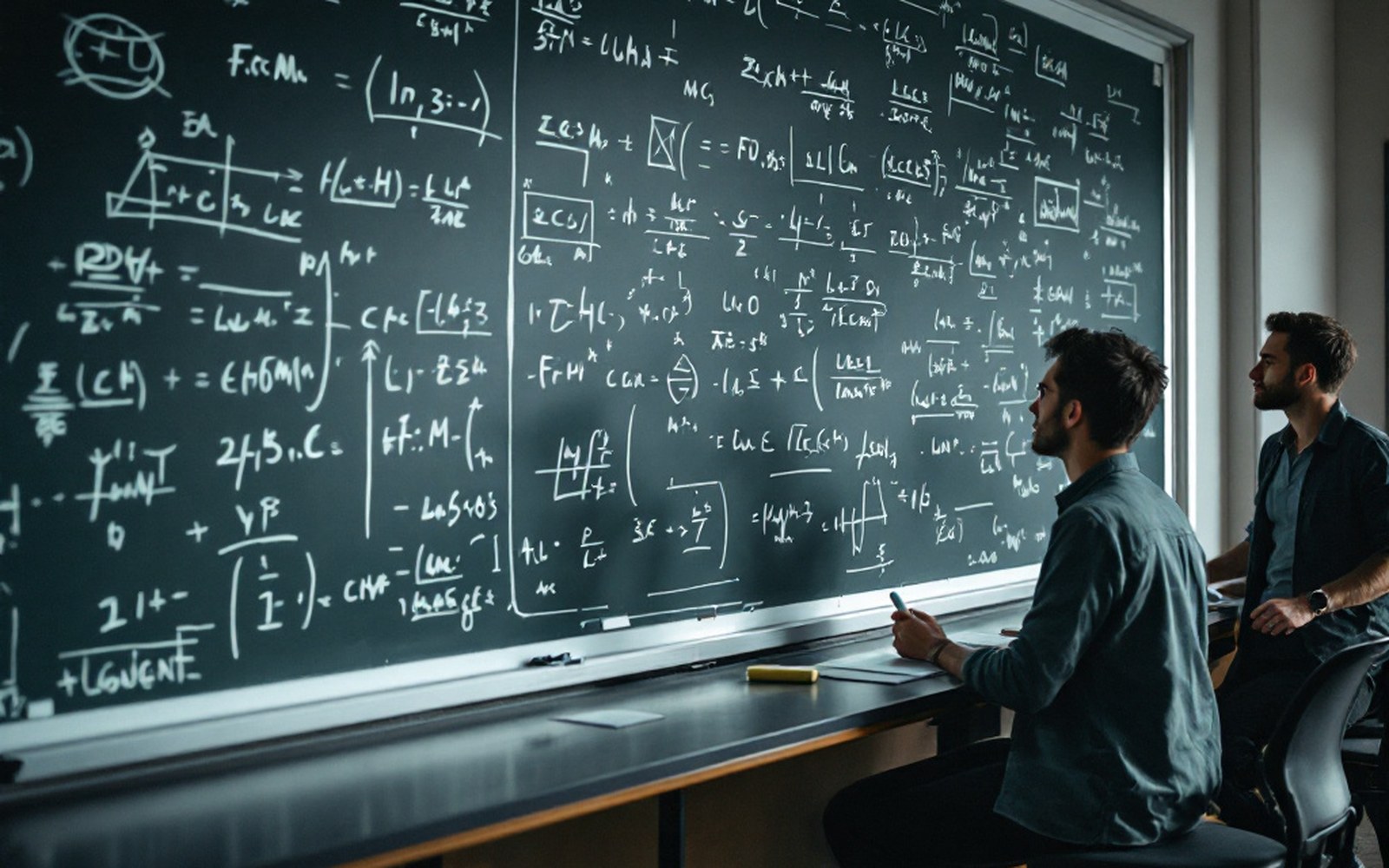
Bjerknes states the problem
Before anyone could calculate a forecast somebody had to say precisely what calculating one would mean: a set of equations, a set of initial measurements, and no meteorology in between.
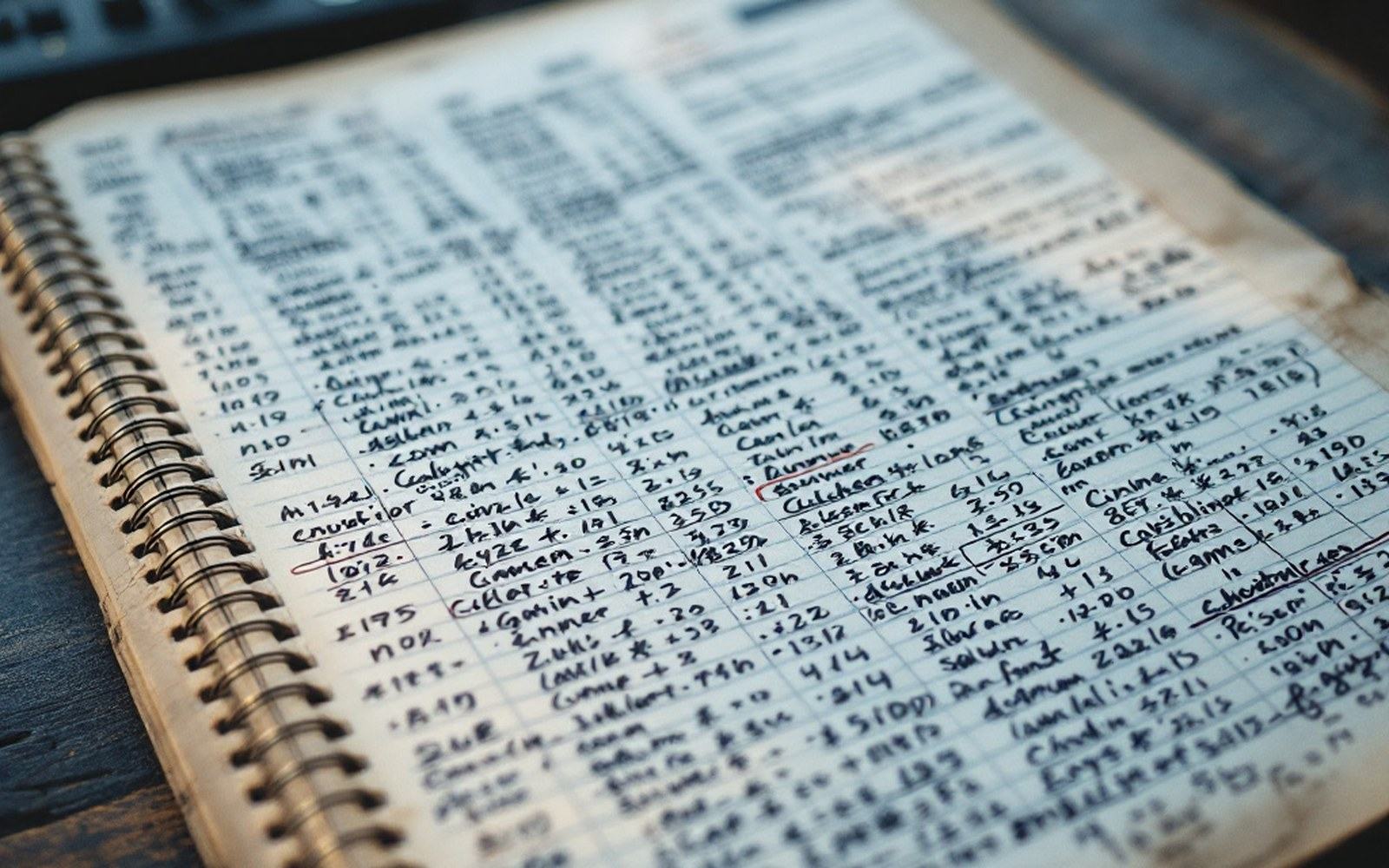
Why it came out wrong
The arithmetic was sound; the initial data was not smoothed, so the calculation amplified noise that was never in the atmosphere.
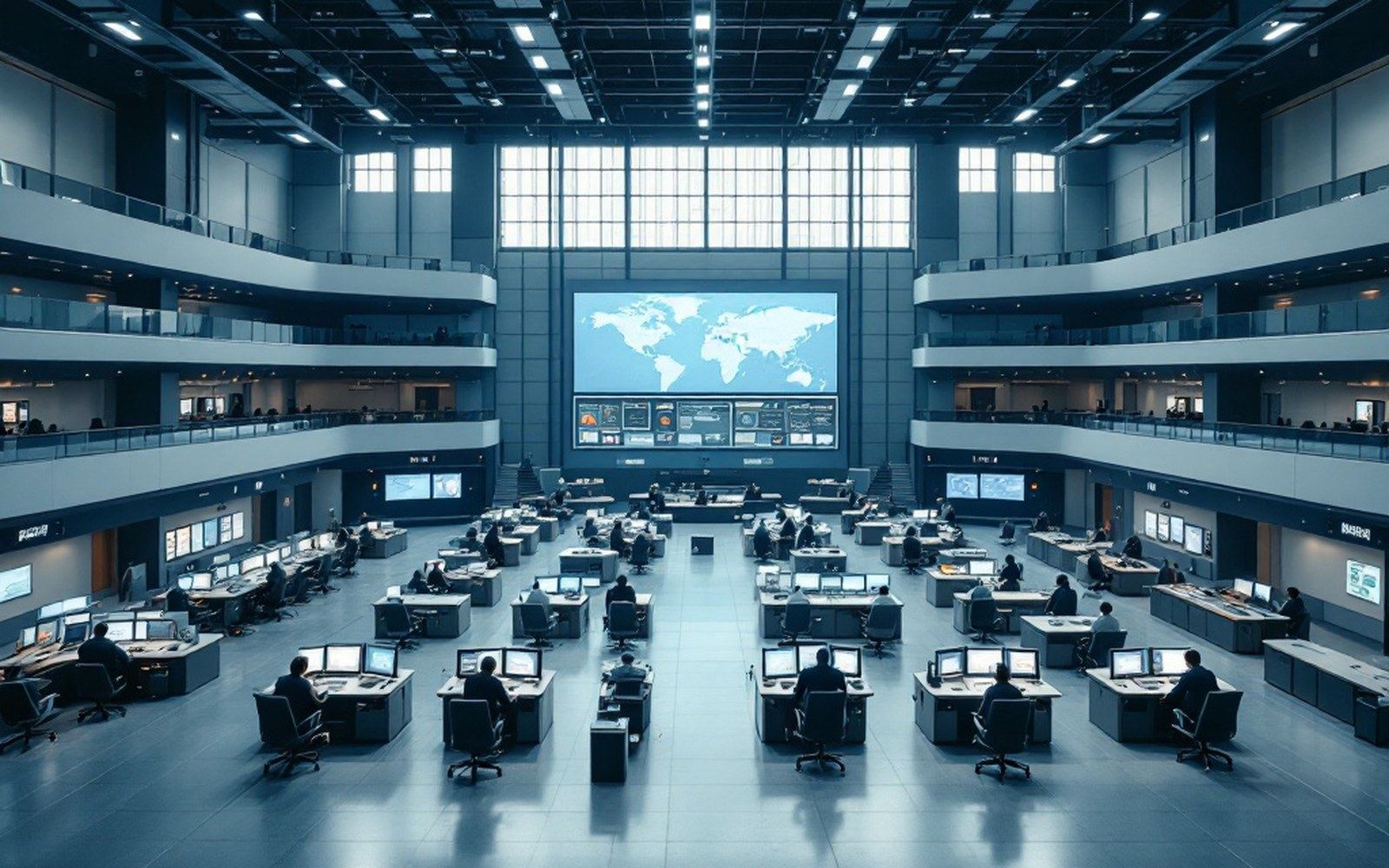
Sixty-four thousand people with slide rules
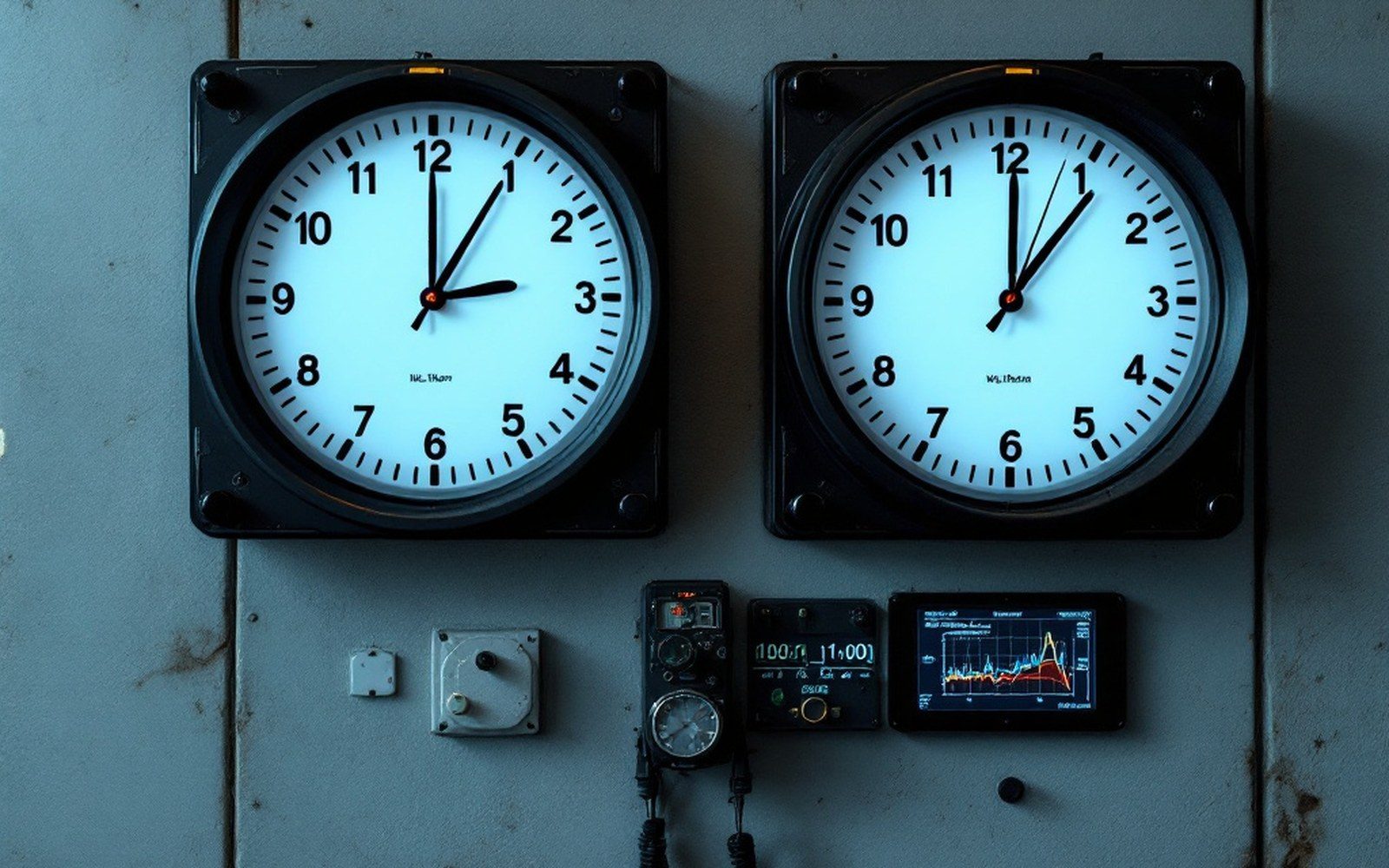
His estimate of what it would take to keep pace with the weather, arranged in a hall like an orchestra, is the clearest picture of what a model does.
02FitzRoy
The man who coined the word, and was attacked for presuming. The whole section.
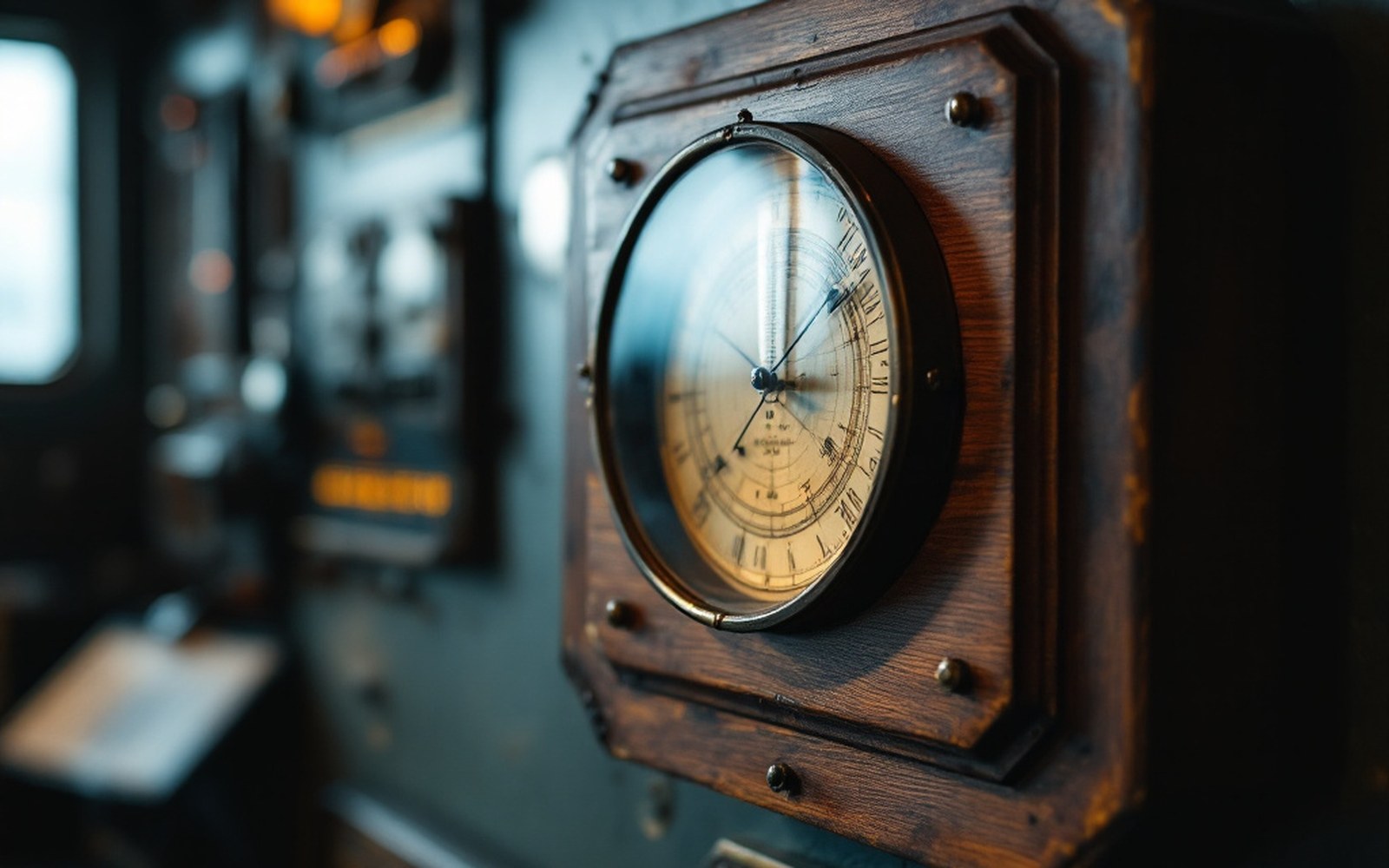
FitzRoy, and the word forecast
He built the first storm warning service, coined the term, and was attacked for presuming that the weather could be predicted at all.

FitzRoy's Meteorological Department
A government office set up to collect weather observations from ships, which quietly became the first national forecasting service without anyone authorising it to be one.

The first storm warnings
Telegraph made it possible to know about weather before it arrived, which turned observation into warning and warning into responsibility.
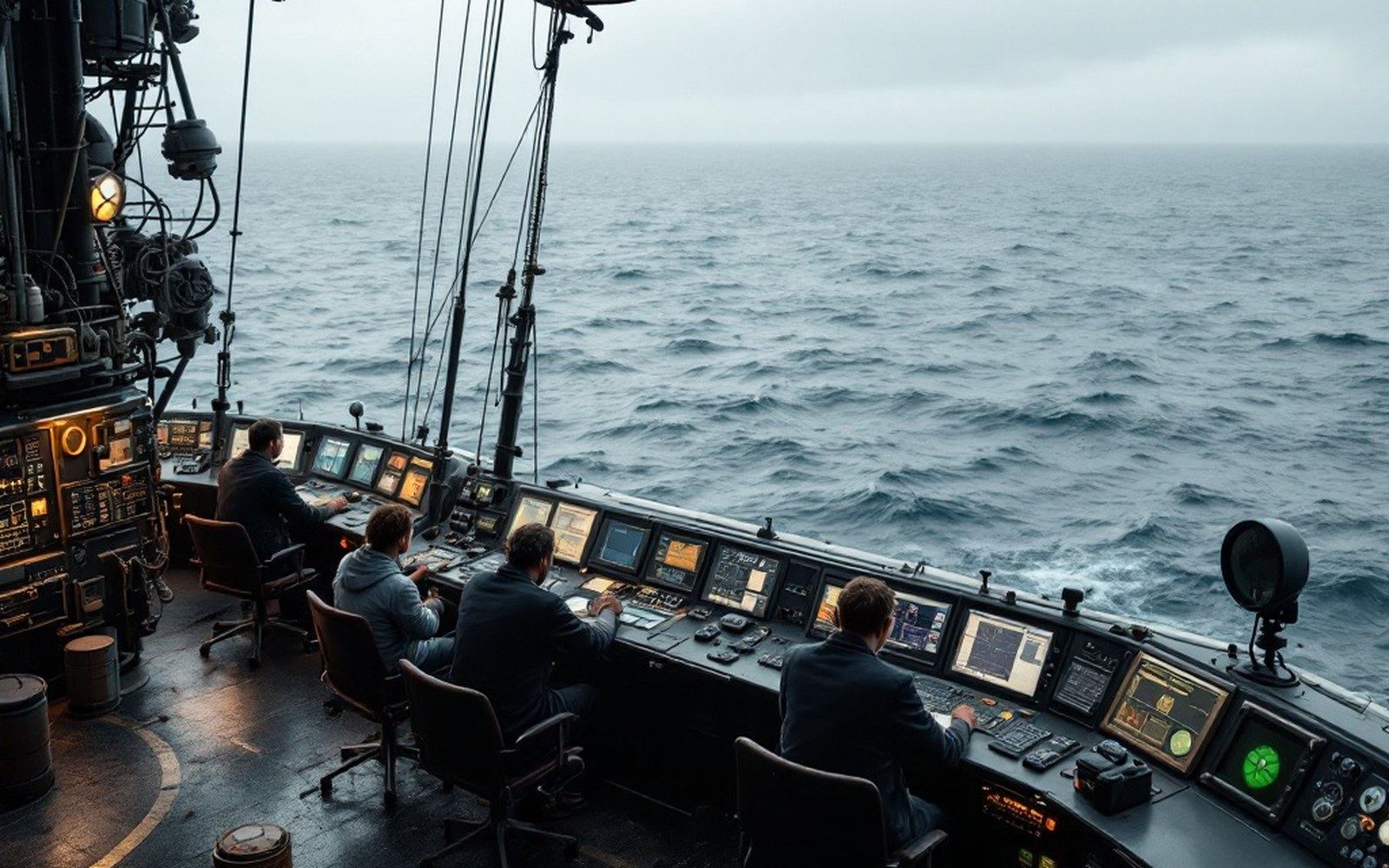
A cone hoisted at the harbour
The warning itself was a black canvas shape raised on a mast where crews could see it — a forecast delivered as an object rather than a text.
03Instruments
A thermometer in a louvred box, and everything after it. The whole section.
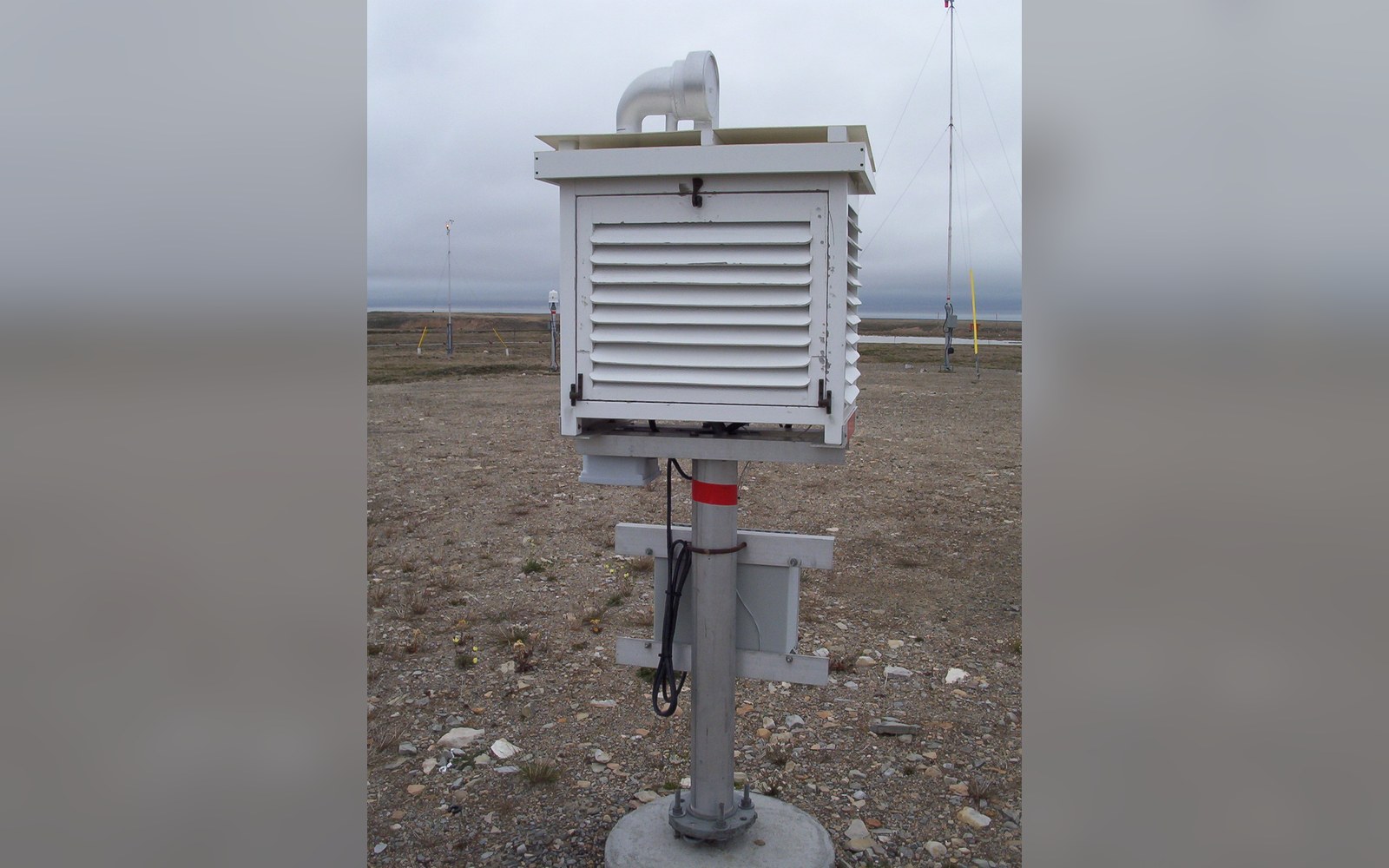
The Stevenson Screen
Louvred wood, white paint, a specified height: the point is to measure air rather than sunshine, and the design has barely changed.
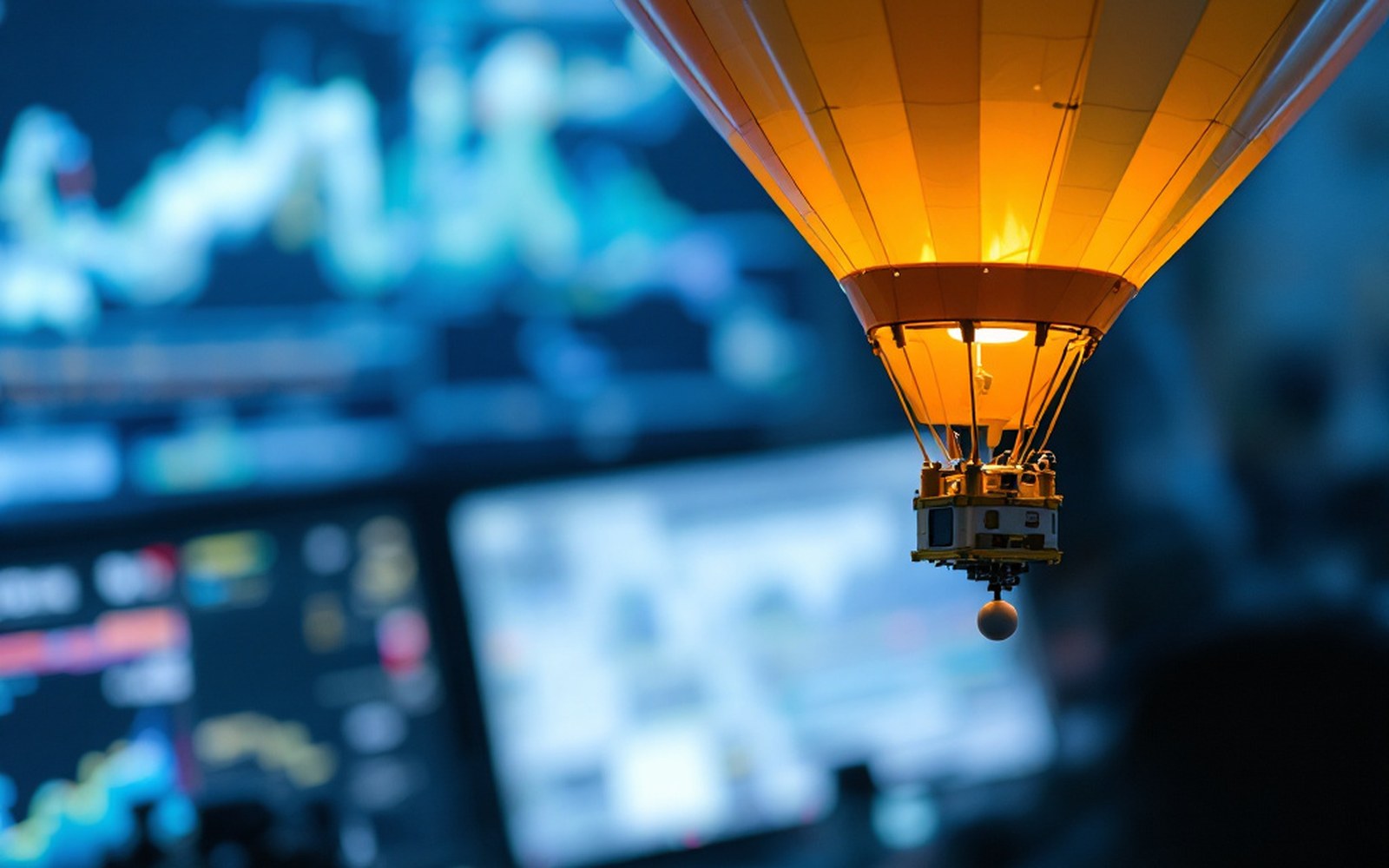
The radiosonde ascent
A balloon rises for around ninety minutes until the latex gives way at roughly thirty kilometres, transmitting all the way up.
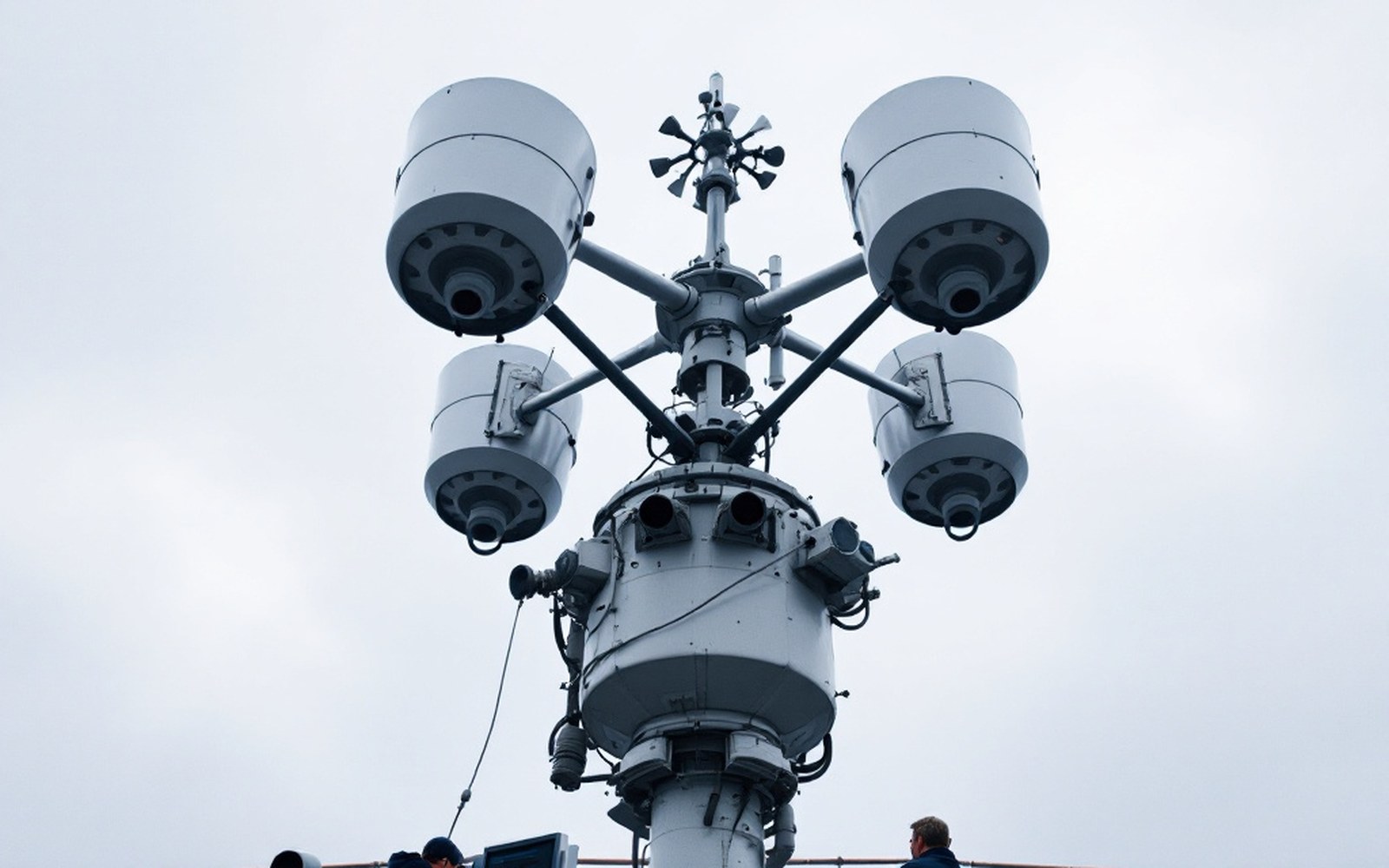
Anemometers, and Robinson's cups
Four cups on a spindle turn at a rate related to wind speed — a relationship that turned out to be less simple than its inventor believed, and had to be calibrated rather than derived.
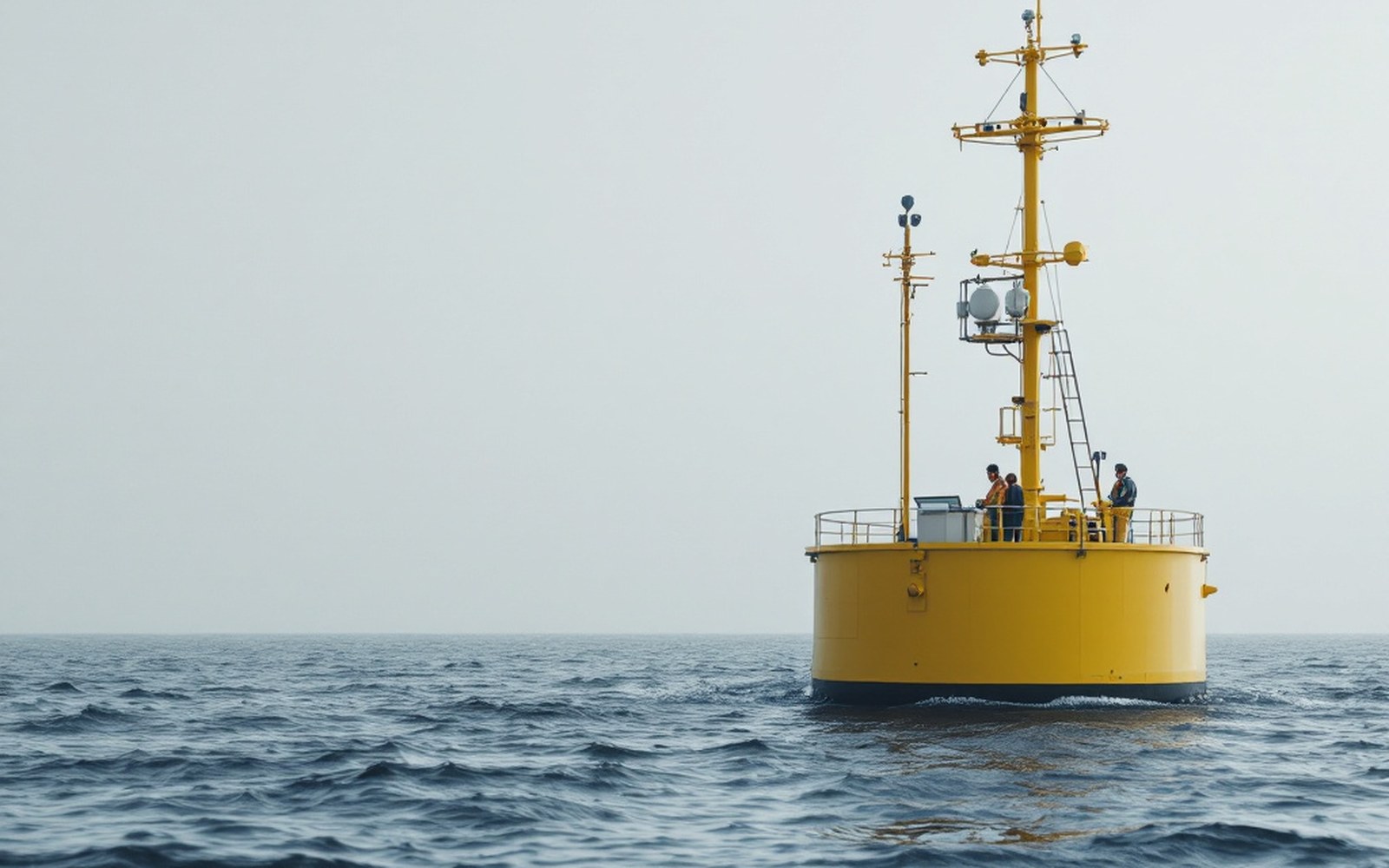
The Buoys Nobody Visits
Most of the planet is ocean, so most observation is unattended and has to survive years without maintenance.
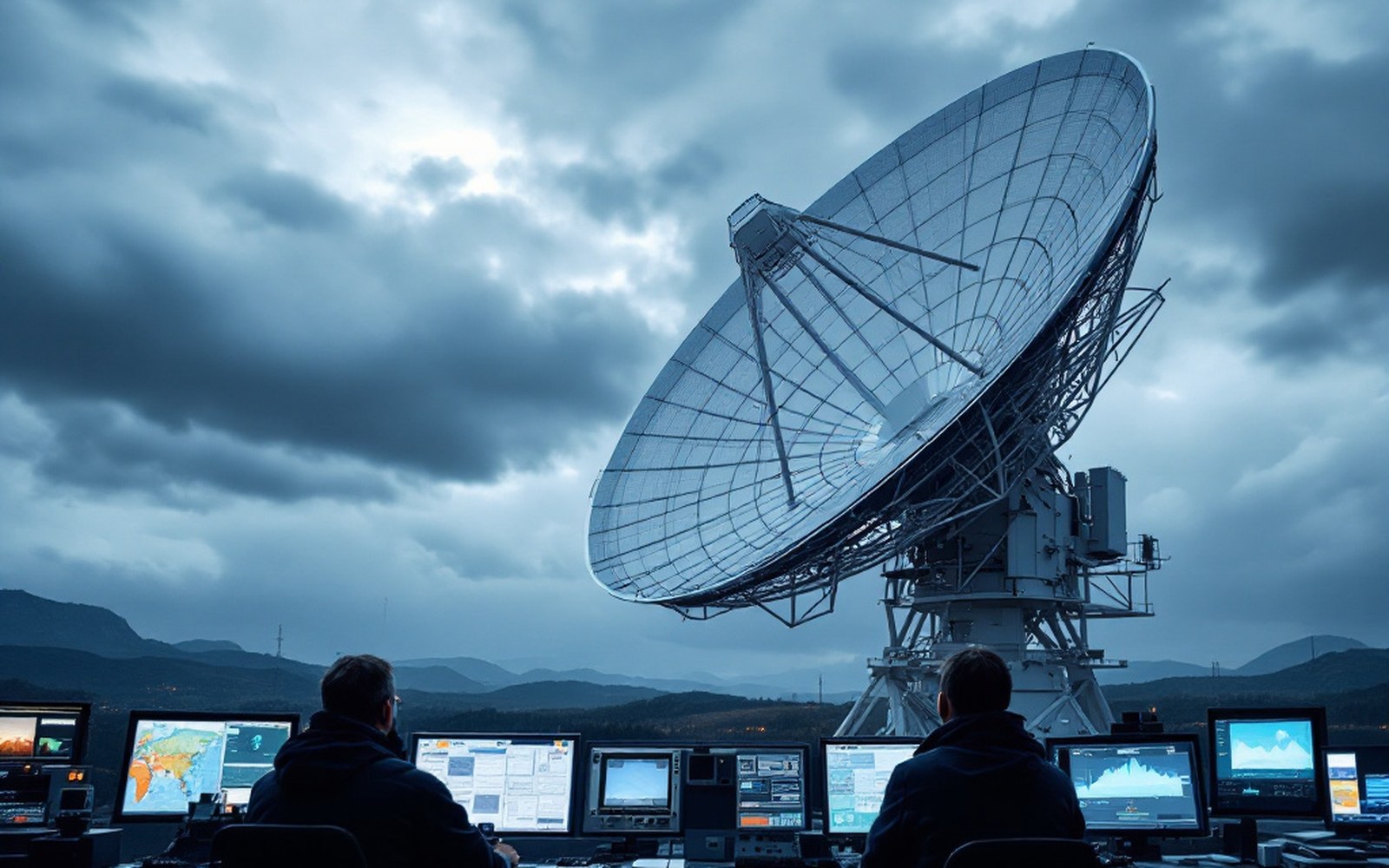
What satellites cannot see
A satellite measures radiance, not temperature, and turning one into the other is a calculation with assumptions in it.
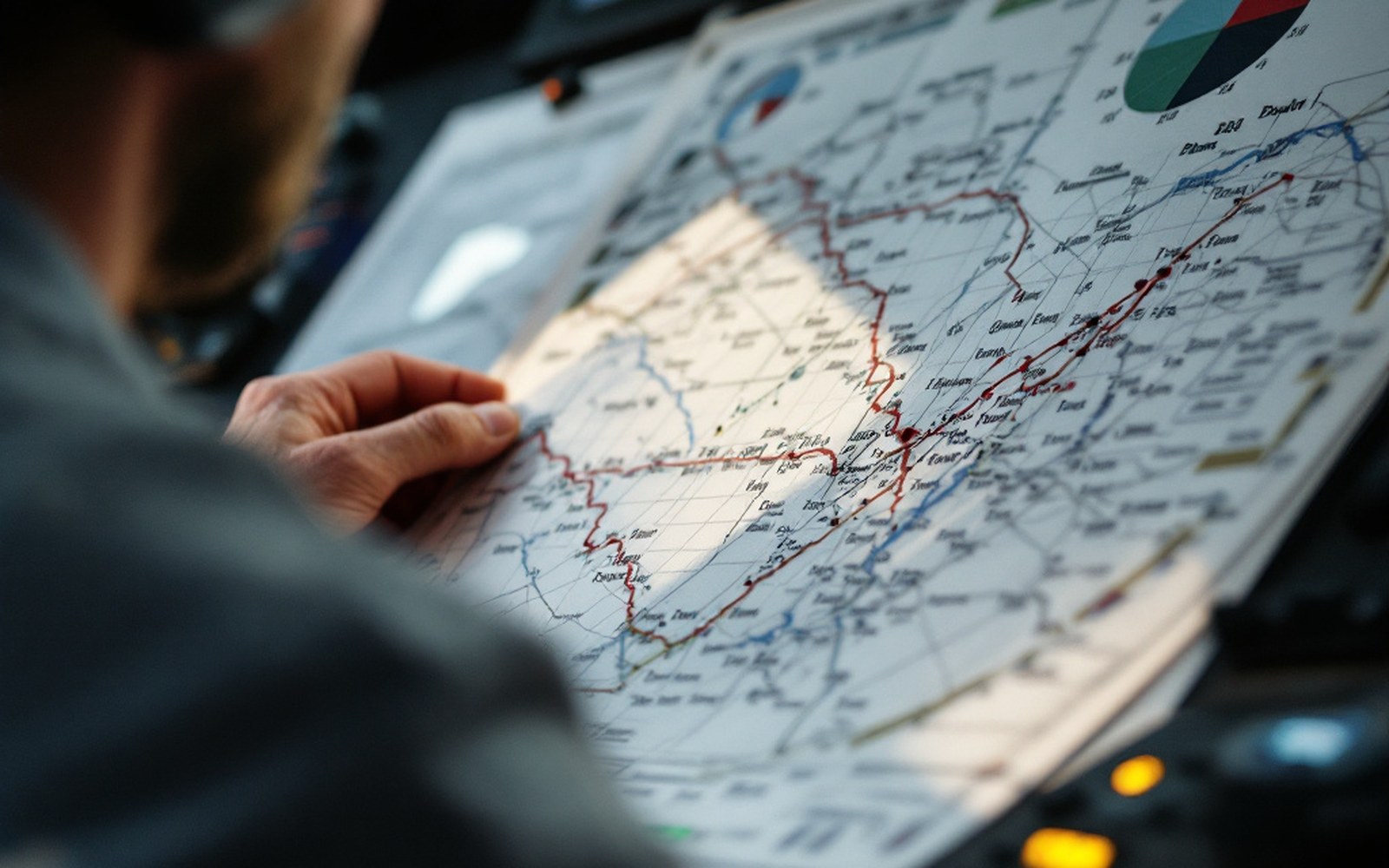
The Station Plot
Eight or nine numbers, one small diagram: how every dot on a synoptic chart carries the whole atmosphere on its back.

The Aircraft That Report
The busiest instrument network in the atmosphere is also the one nobody designed.
04The room
Richardson's hall is now a room of screens. The whole section.
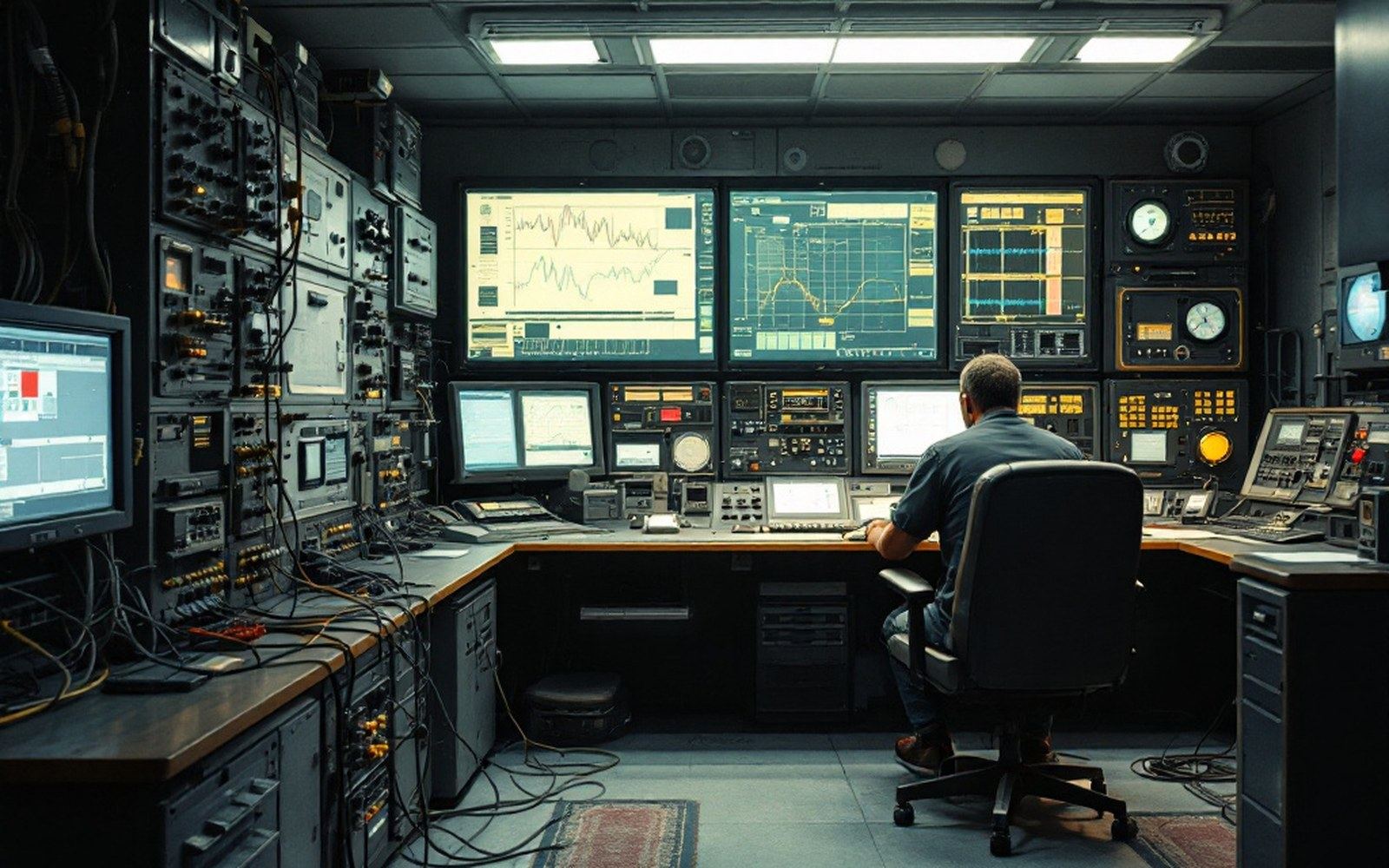
ENIAC, and the first machine forecast
In 1950 a machine reproduced in about a day the kind of calculation Richardson had done by hand in six weeks, and the result was good enough to prove the method rather than the weather.

How a model is actually run
Running a numerical weather model is not pressing a button and waiting.

Somebody still draws the isobars
The synoptic chart looks like it predates the computer. It does.

The People on Shift
A forecast office runs continuously, and the handover between shifts is where judgement is actually transferred from one person to the next.

Getting the observations in
Before the model can run, it needs to know where the atmosphere is right now — and that is harder than it sounds.

Fronts as a Drawing Convention
The triangles and semicircles on a weather map are not decorations — they are a theory drawn in ink.
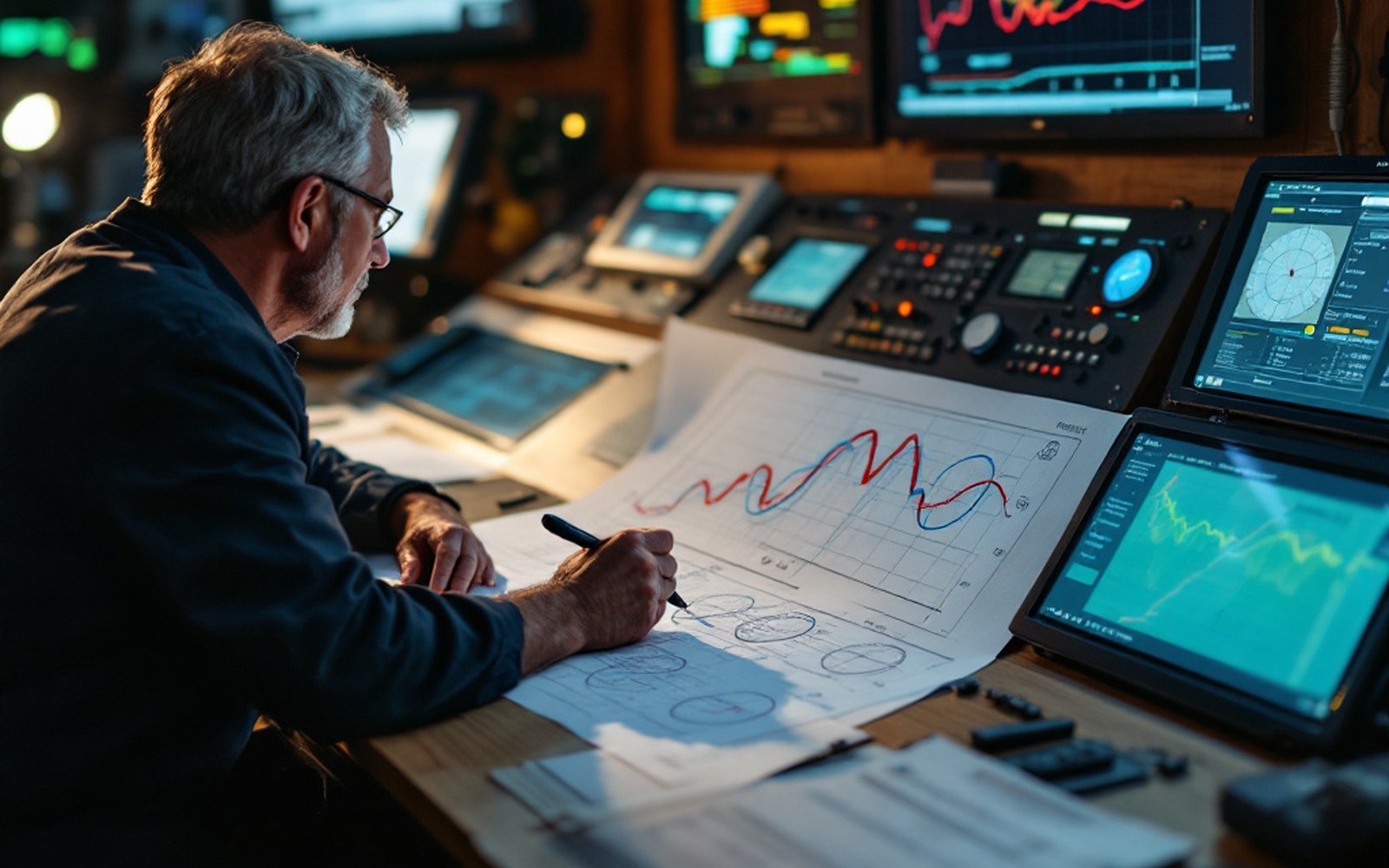
Isobars, and what they are for
Pressure drawn as lines turns a page of measurements into something a forecaster can read at a glance — and the distance between the lines says how hard the wind will blow.
05Where it fails
And why the failure has a shape. The whole section.
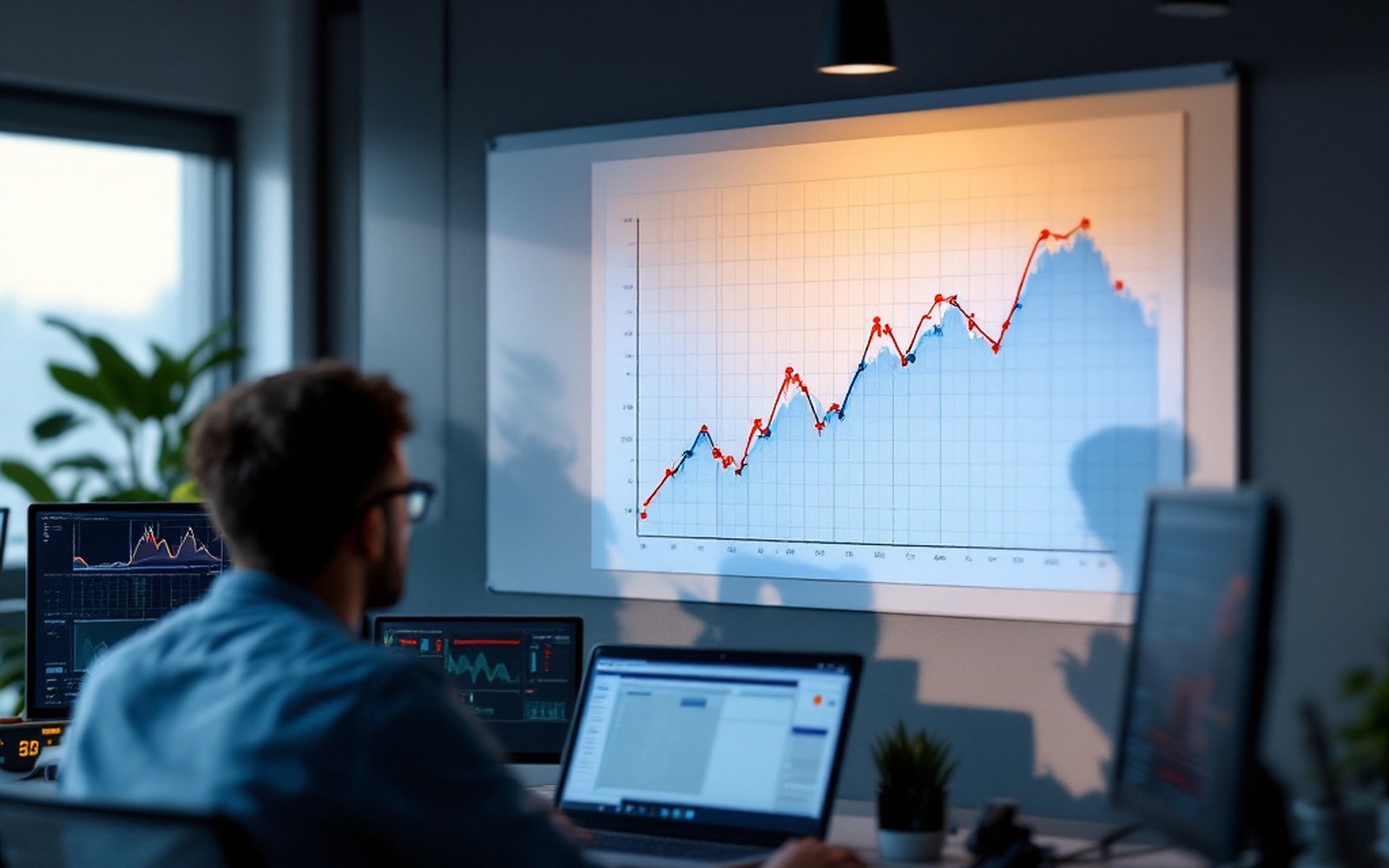
Where it fails, and why the failure has a shape
Forecast error is not random: it grows fastest where the atmosphere is least stable, which is why some situations are predictable for days and others for hours.
The butterfly, in practice
Sensitivity to initial conditions is a measured property with a timescale attached, not a metaphor.
The Grid, and What Falls Between
A model divides the atmosphere into boxes, and anything smaller than a box — a shower, a hill — has to be represented rather than resolved.
Ensembles
Running the model many times from slightly different starting points converts a single answer into a spread, which is the honest output.
Verification
A forecast is only as good as the record of how it did, and the scoring is its own small discipline.
Parameterisation
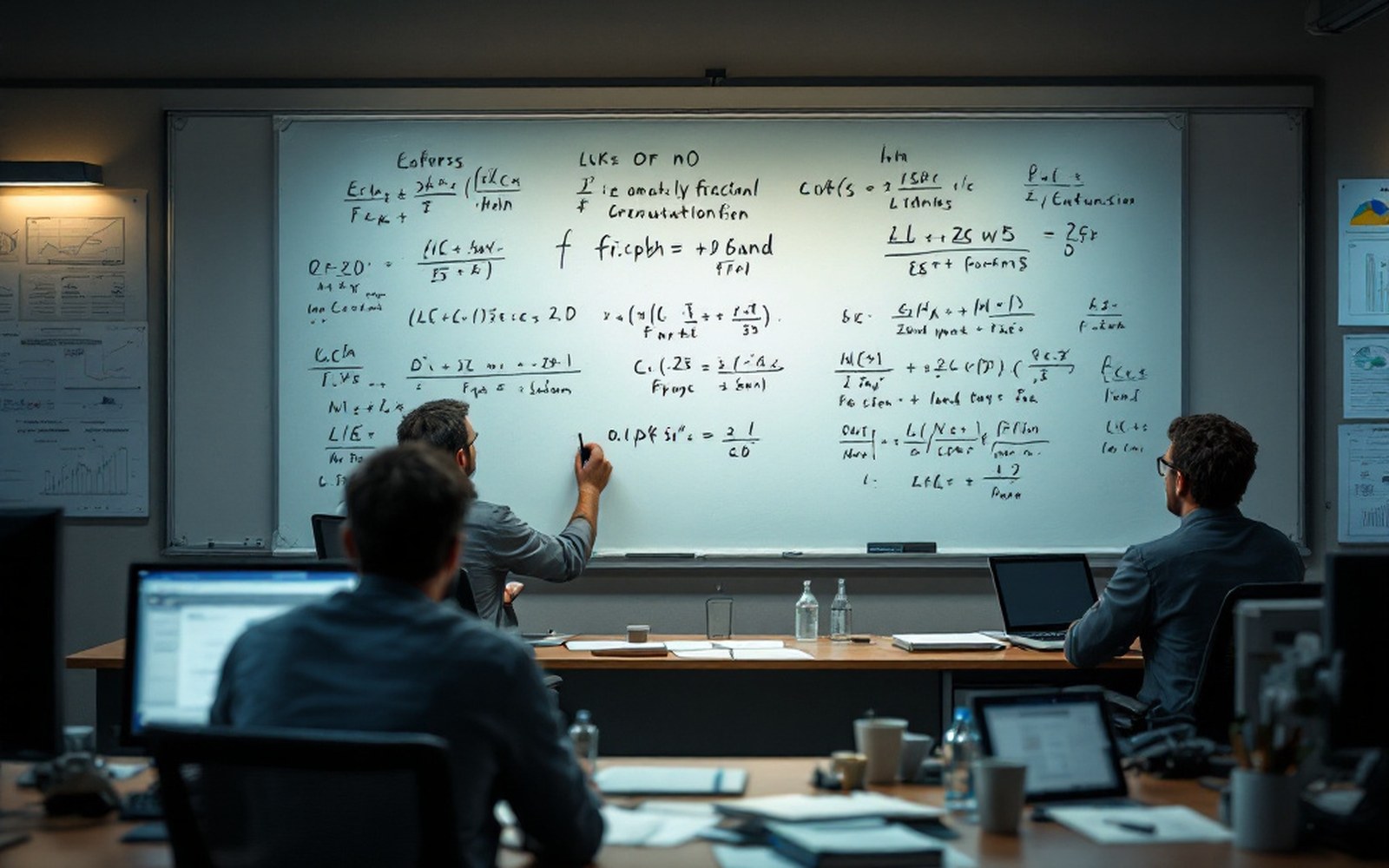
The grid stops at a certain size. Everything smaller than the grid box is represented by a formula, and those formulas — not the equations of motion — are where models diverge most from one another.
Everything, in one list
Titles only. The archive gives each one its section and a line of what it is about.
- Six Weeks of Arithmetic for Six Hours of Weather
- Bjerknes states the problem
- Why it came out wrong
- Sixty-four thousand people with slide rules
- What a Forecast Actually Is
- FitzRoy, and the word forecast
- FitzRoy's Meteorological Department
- The first storm warnings
- A cone hoisted at the harbour
- The Stevenson Screen
- The radiosonde ascent
- Anemometers, and Robinson's cups
- The Buoys Nobody Visits
- What satellites cannot see
- The Station Plot
- The Aircraft That Report
- ENIAC, and the first machine forecast
- How a model is actually run
- Somebody still draws the isobars
- The People on Shift
- Getting the observations in
- Fronts as a Drawing Convention
- Isobars, and what they are for
- Where it fails, and why the failure has a shape
- The butterfly, in practice
- The Grid, and What Falls Between
- Ensembles
- Verification
- Parameterisation